Guided Meditation Techniques for Inner Peace
In our fast-paced world, finding moments of tranquility can feel like an impossible task. Stress, anxiety, and the constant demands of daily life can weigh heavily on our minds and bodies. Guided meditation offers a pathway to inner peace, allowing individuals to reconnect with themselves and cultivate a sense of calm. This blog post explores various guided meditation techniques that can help you achieve inner peace, providing practical steps and insights to incorporate into your daily routine.
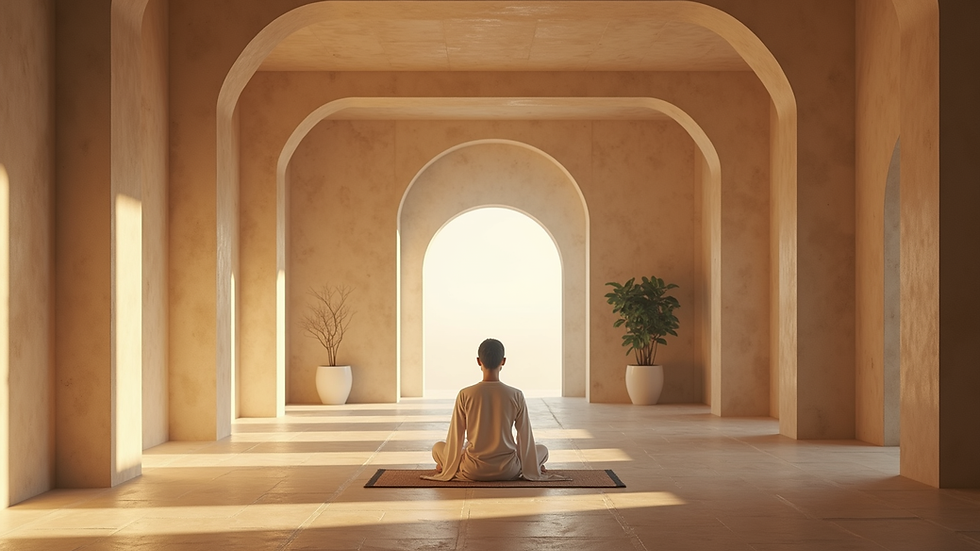
Understanding Guided Meditation
Guided meditation involves a facilitator or a recording that leads you through the meditation process. This technique is particularly beneficial for beginners, as it provides structure and direction. The guide may use visualization, breathing exercises, or affirmations to help you focus and relax.
Benefits of Guided Meditation
Reduces Stress: Regular practice can lower cortisol levels, the hormone associated with stress.
Enhances Focus: Guided sessions can improve concentration and mental clarity.
Promotes Emotional Health: Meditation can lead to a more positive outlook and increased self-awareness.
Improves Sleep: Many find that meditation helps them fall asleep faster and enjoy deeper sleep.
Preparing for Meditation
Before diving into specific techniques, it’s essential to create an environment conducive to meditation. Here are some tips to prepare:
Choose a Quiet Space: Find a location where you won’t be disturbed. This could be a corner of your home, a garden, or even a quiet park.
Set the Mood: Dim the lights, light a candle, or use essential oils to create a calming atmosphere.
Get Comfortable: Wear loose clothing and sit or lie down in a position that feels comfortable for you.
Techniques for Guided Meditation
1. Breathing Meditation
Breathing meditation is one of the simplest yet most effective techniques. Here’s how to practice it:
Find a Comfortable Position: Sit or lie down comfortably.
Close Your Eyes: This helps minimize distractions.
Focus on Your Breath: Inhale deeply through your nose, allowing your abdomen to expand. Exhale slowly through your mouth.
Count Your Breaths: Inhale for a count of four, hold for four, and exhale for six. Repeat this cycle for several minutes.
2. Visualization Meditation
Visualization involves imagining a peaceful scene or scenario. This technique can transport your mind away from stressors. Here’s how to do it:
Select a Scene: Choose a place that makes you feel calm, such as a beach, forest, or mountain.
Engage Your Senses: As you visualize, think about the sights, sounds, and smells of your chosen location.
Immerse Yourself: Spend several minutes in this visualization, allowing yourself to feel the peace of the environment.
3. Body Scan Meditation
This technique focuses on bringing awareness to different parts of your body. It’s excellent for releasing tension. Follow these steps:
Lie Down Comfortably: Ensure you are in a relaxed position.
Start at Your Toes: Focus on your toes, noticing any sensations. Gradually move up through your feet, legs, abdomen, chest, arms, neck, and head.
Release Tension: As you focus on each area, consciously relax any tension you feel.
4. Loving-Kindness Meditation
This practice encourages compassion towards yourself and others. It can enhance emotional well-being. Here’s how to practice loving-kindness meditation:
Sit Comfortably: Close your eyes and take a few deep breaths.
Repeat Phrases: Silently repeat phrases such as “May I be happy, may I be healthy, may I be safe, may I live with ease.”
Extend Your Wishes: After focusing on yourself, extend these wishes to loved ones, acquaintances, and even those you find challenging.
5. Guided Imagery
Guided imagery involves listening to a facilitator who leads you through a specific scenario. This technique can be particularly immersive. Here’s how to engage in guided imagery:
Find a Recording: Look for guided imagery sessions online or through meditation apps.
Follow Along: Close your eyes and listen as the guide takes you through a peaceful journey, often incorporating relaxation techniques and positive affirmations.
Incorporating Meditation into Your Daily Routine
To reap the benefits of guided meditation, consistency is key. Here are some tips for incorporating meditation into your daily life:
Set a Schedule: Choose a specific time each day to meditate, whether it’s in the morning, during lunch, or before bed.
Start Small: Begin with just five minutes a day and gradually increase the duration as you become more comfortable.
Use Technology: Consider using meditation apps that offer guided sessions, timers, and reminders.
Overcoming Common Challenges
Many people face challenges when starting a meditation practice. Here are some common obstacles and how to overcome them:
Distractions
It’s normal for your mind to wander during meditation. When this happens, gently bring your focus back to your breath or the guided instructions.
Time Constraints
If you feel you don’t have enough time, remember that even a few minutes of meditation can be beneficial. Try short sessions throughout the day.
Frustration with Progress
Meditation is a skill that takes time to develop. Be patient with yourself and recognize that every session is a step toward greater peace.
Conclusion
Guided meditation is a powerful tool for achieving inner peace and enhancing overall well-being. By incorporating these techniques into your daily routine, you can cultivate a sense of calm amidst the chaos of life. Remember, the journey to inner peace is personal and unique to each individual. Start small, be consistent, and allow yourself the grace to grow in your practice. Embrace the tranquility that guided meditation can bring, and take the first step towards a more peaceful existence today.


Comments